Beyond the Red Carpet: How Indian Fashion Claimed the Croisette at Cannes 2026
For a fortnight every May, the small French resort town of Cannes becomes the most photographed stretch of coastline on earth. The 79th Festival de Cannes, which runs from 12 to 23 May 2026, drew the usual constellation of Indian stars to the steps of the Palais des Festivals, Aishwarya Rai Bachchan, Alia Bhatt and Tara Sutaria among the names that lit up the international press. But this year the more telling story unfolded a little away from the camera scrum, in the showrooms and showcase salons where Indian fashion quietly went global.
Alongside the festival, the internationally recognised show director Liza Varma led a delegation of Indian designers, jewellery houses and models to Cannes, staging a series of curated presentations that ran in parallel with the screenings. It is a model of soft power that has been building for a couple of seasons now, Varma made headlines for a multi-designer show at the 78th edition in 2025, and in 2026 it arrived with real scale.
A delegation, not a cameo
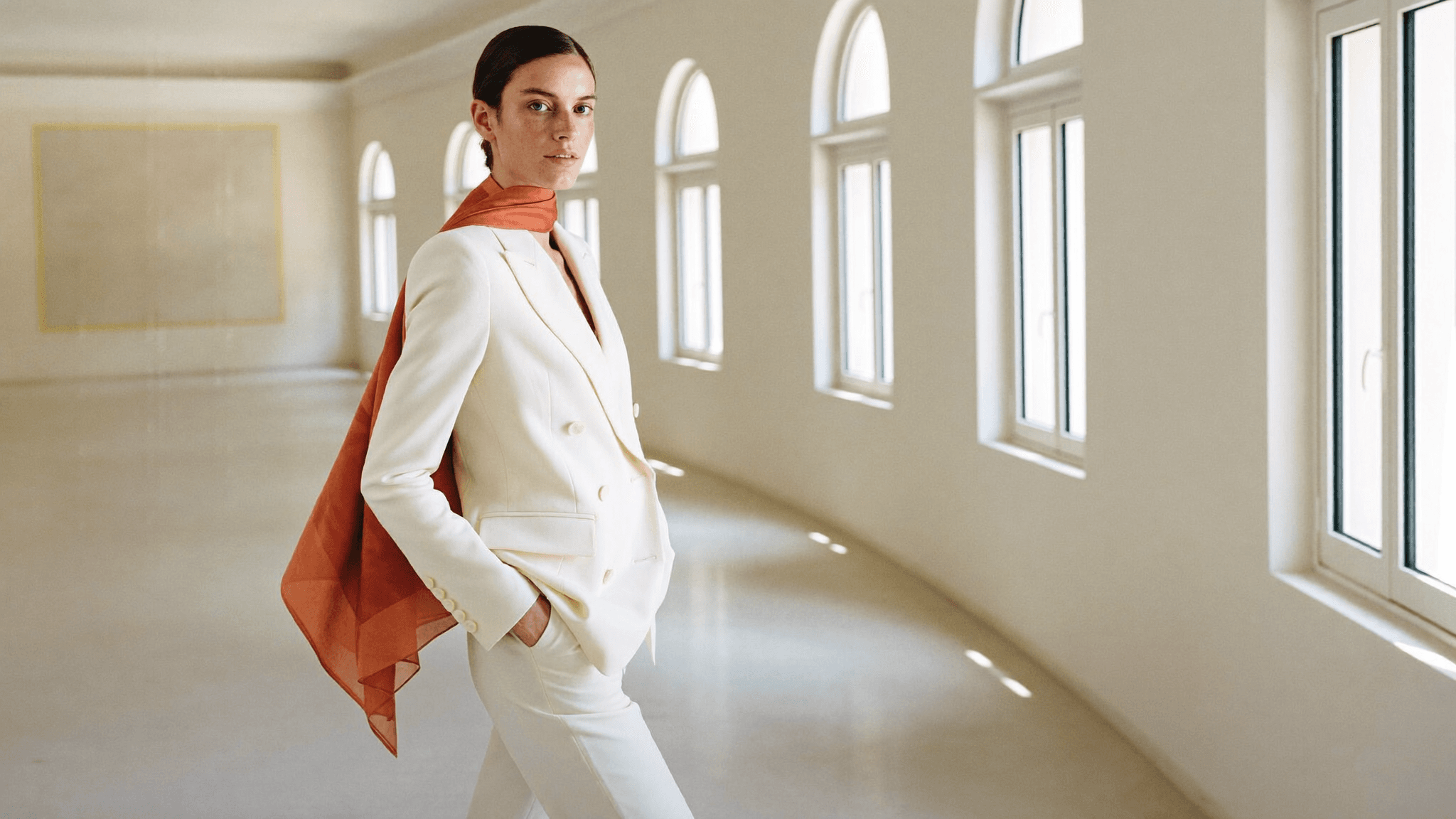
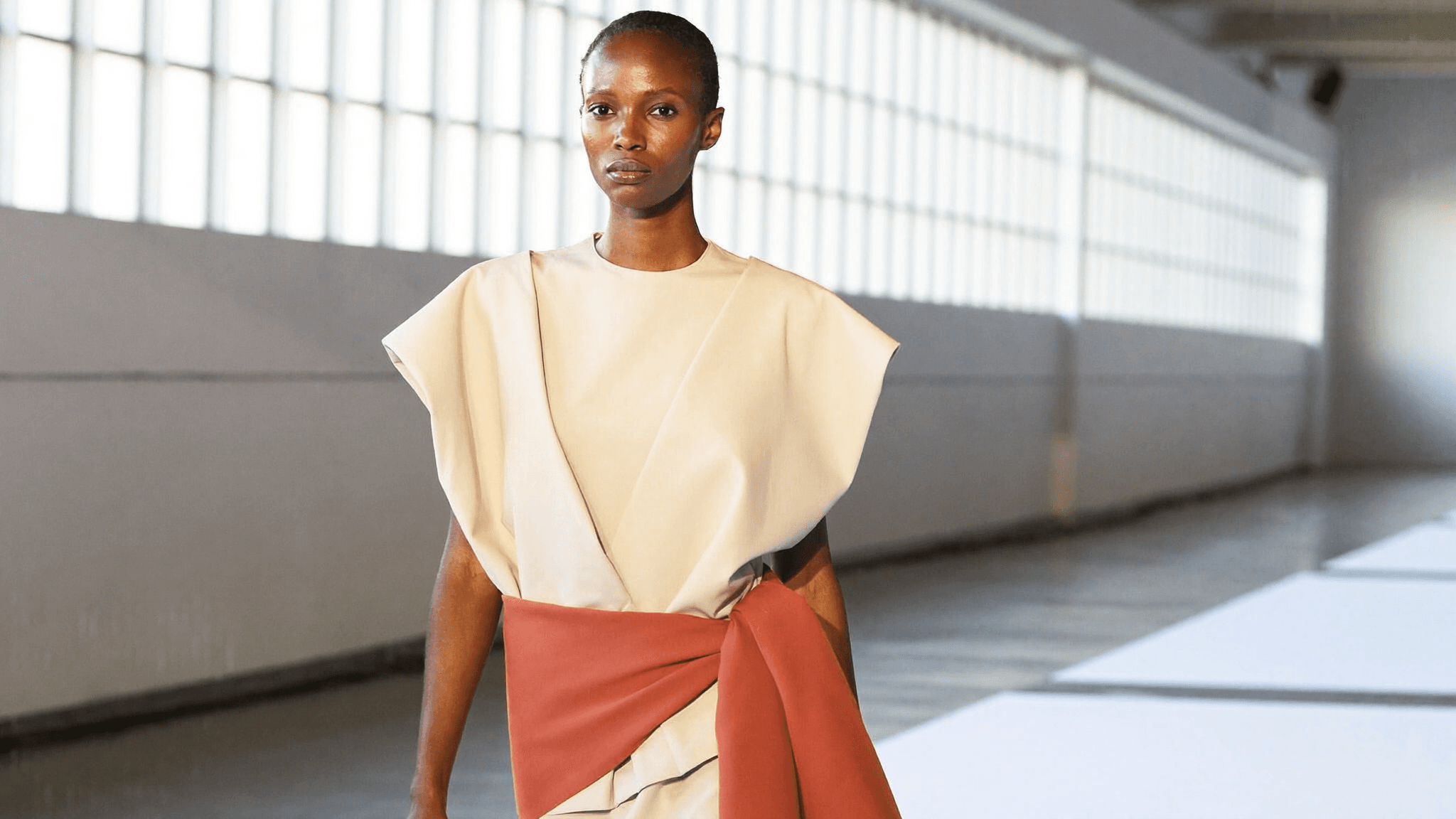
The 2026 line-up read like a cross-section of contemporary Indian design: Amit GT, Samant Chauhan, Rishi Vibhuti, Ashna Vaswani, Nitika Gujral and Baya Designs by Richa Bhatia, with jewellery from Veneraa Jewels and Le Marquise among the labels presenting. Their work travelled across a network of platforms, the ENW Showroom, FTV showcases, the Red-Carpet Stair Walk at the Palais des Festivals, and a panel discussion held in association with FICCI at the Bharat Pavilion, the official Indian presence at the festival.
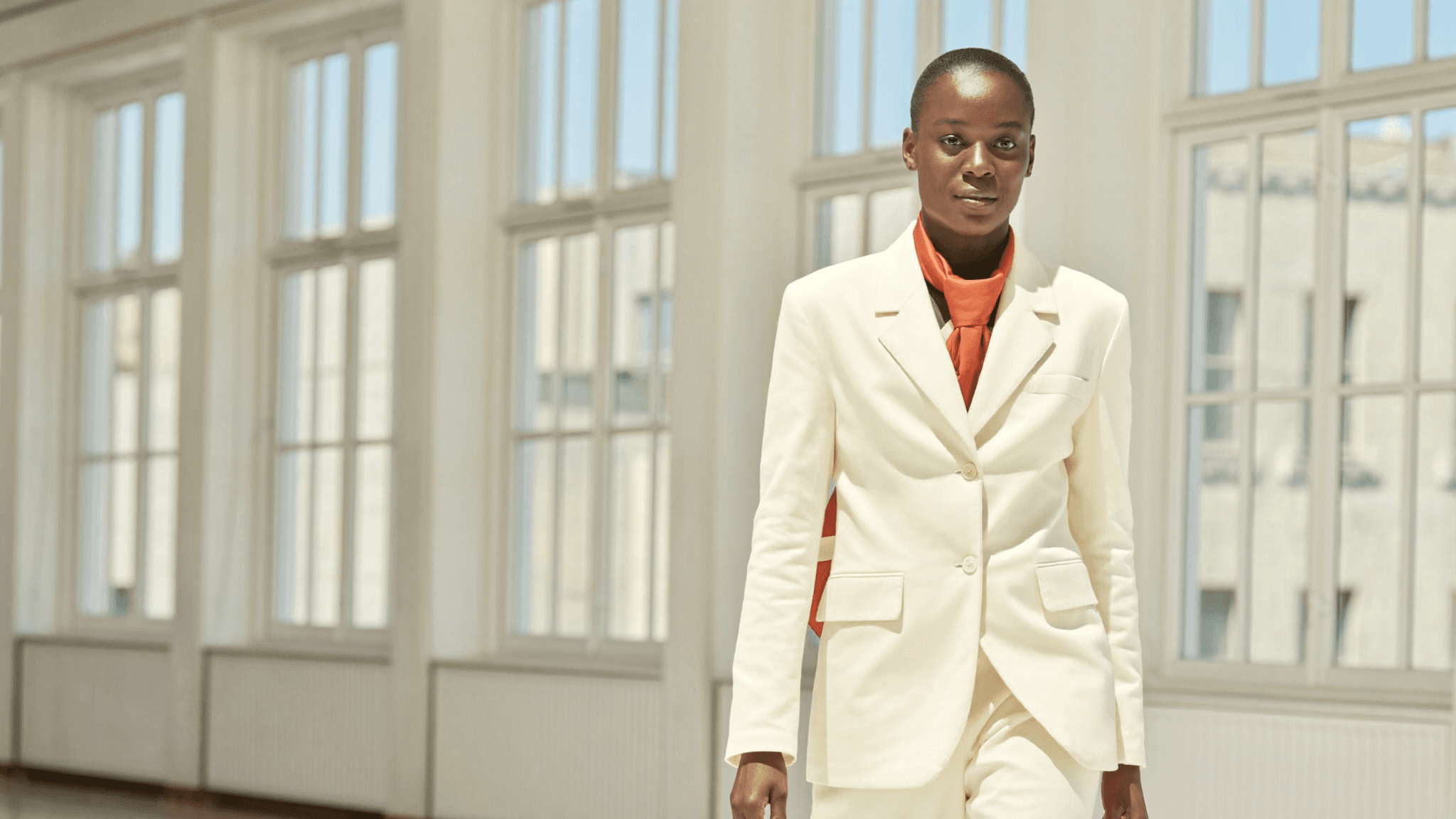
What matters here, for anyone watching the modelling industry, is the word delegation. This was not a single celebrity in a borrowed gown; it was an organised, multi-house showing with its own runway talent. Models including Bhanujeet Singh Sudan, Tiya Verma, Chahat Chawla, Vanshita Saini and Adit Gupta walked the showcases, Indian faces presenting Indian craft on a European stage, rather than waiting to be cast into someone else's vision of it.
Why a fashion week inside a film festival matters
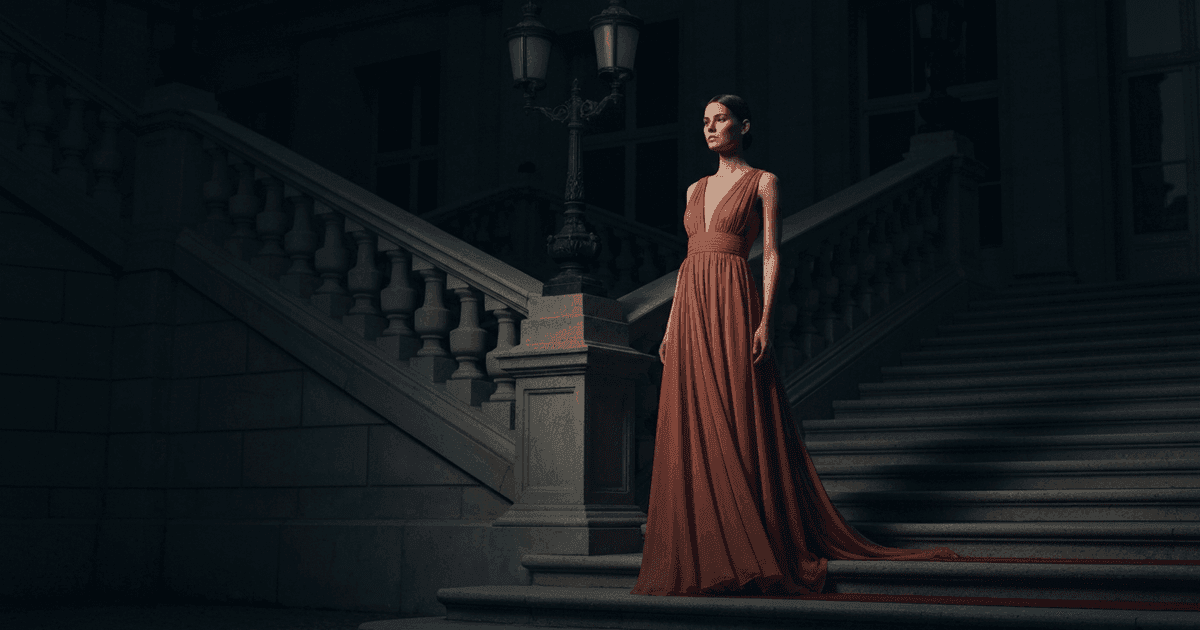
Cannes is, on paper, a cinema event. But its real currency is attention, and fashion has learned to spend it wisely. A gown photographed on those red-carpeted steps can travel further in a single evening than a season's worth of conventional advertising. By building a structured fashion programme around that attention, complete with showrooms, panel talks and a national pavilion, India is treating Cannes as what it has quietly become: one of the most efficient export platforms in the world for craft, couture and the people who present it.
The runway is no longer something Indian talent travels abroad to join. Increasingly, it is something India brings with it.
That shift has a direct bearing on models working in this market. For years the aspiration was singular and narrow: be discovered, get signed overseas, leave. The Cannes delegation points to a broader, healthier route, one where Indian design houses build their own international moments and carry their own talent into them. The opportunity is no longer only to be cast by a foreign brand, but to be the face of an Indian one as it steps onto a global platform.
The bigger picture for India's fashion economy
None of this exists in isolation. It sits on top of a domestic industry that has spent the past few years professionalising fast, from the consolidation of Lakmé Fashion Week with the FDCI, to the steady stream of Indian designers showing abroad, to international brands choosing to shoot and cast in India because the talent and the production value are simply here. Cannes is the glamorous tip of that iceberg. The base is a working ecosystem of agencies, casting directors, stylists and models turning up, day after day, on sets and runways across Mumbai, Delhi and beyond.
For aspiring models reading this, the lesson is less about the glitz of the Croisette and more about its logic. The careers that last are built on craft, reliability and range, the ability to carry a couture gown on a French staircase one month and a national ad campaign the next. The platforms are widening. The faces representing India are becoming more varied. And the distance between a Mumbai test shoot and an international showcase is shorter than it has ever been.
As the lights come down on the 79th edition, the headline acts will be remembered for their red-carpet moments. But the quieter win belongs to everyone who travelled to present, not just to be photographed. If Cannes 2026 proves anything, it is that Indian fashion has stopped asking for a seat at the table and started bringing its own. The next generation of faces representing India abroad will inherit a stage that is wider, more confident and more theirs than ever before. For more on the talent and stories shaping this moment, explore the journal.