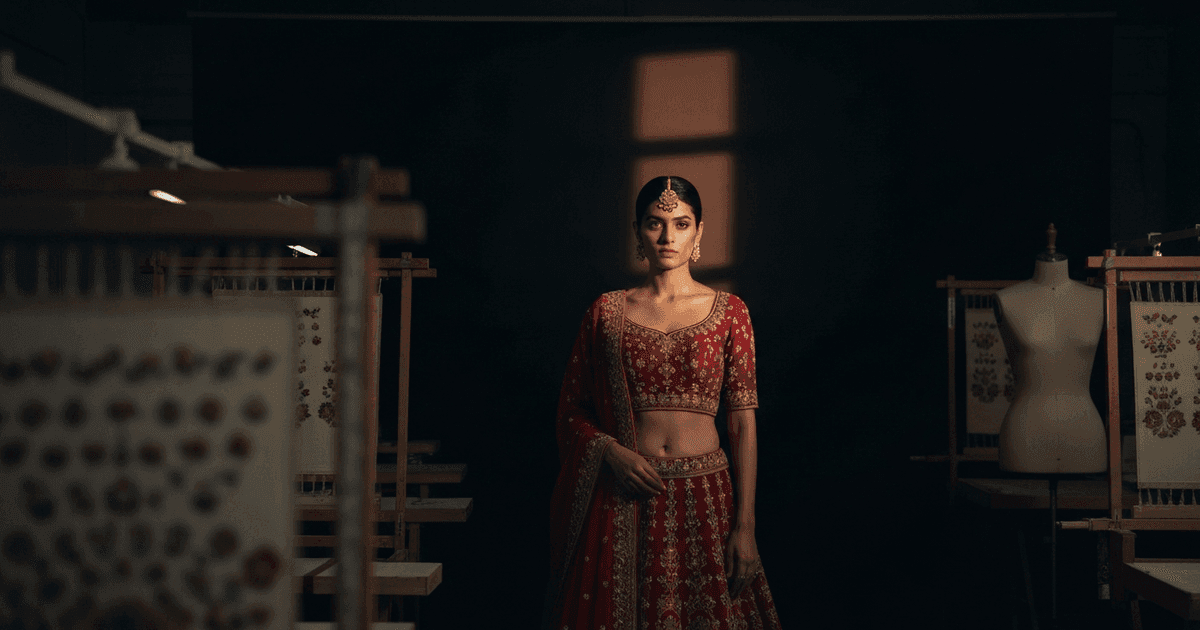
The Bride Pays for the Runway: How Weddings Fund India's Global Fashion
India Couture Week closed in Delhi this week, and the images that traveled fastest were the ones you expect from a couture calendar: hand embroidery measured in months, sculpted silhouettes, a front row of designers who now show in Paris as easily as they show at home. What the pictures did not explain is where the money for all of that ambition comes from. The answer, almost entirely, is the Indian bride.
A CNN report published on 30 July put the point plainly: Indian labels are going global, but bridal couture remains the backbone that pays for it. Designers who now sit on the Paris haute couture schedule fund their international runs with the same wedding orders that built their names. Masaba Gupta, who grew a following on ready-to-wear before moving deeper into bridal, told CNN that the money made from bridalwear fuels the rest of the business and pays for future plans. Manish Malhotra, who debuted at Paris Haute Couture Week this month with Anna Wintour in the front row, described bridal revenue as what keeps the ateliers and the karigars working through the year.
The numbers behind the veil
The scale explains the dependence. India's wedding economy is estimated at around 130 billion dollars a year across roughly 8 to 10 million ceremonies, according to Business of Fashion. Wedding apparel alone runs into lakhs of crores. And the split inside that market matters more than the headline figure: in 2023, luxury weddings made up about 10 percent of all weddings in India but delivered close to 40 percent of the industry's revenue. A small number of very large orders carries the whole category.
That is why India Couture Week functions less like a European couture show and more like an order book. The Fashion Design Council of India schedules it ahead of the wedding months that begin in October, and brides genuinely wait for the shows before committing to a look. A runway exit in Delhi in July becomes a lehenga on a stage in Udaipur in December. The show is marketing, but it is also a catalogue.
What this means for the people wearing the clothes
For models, the couture economy quietly sets the calendar. The runway gets the coverage, but the bridal machine behind it generates the steadier work: campaign shoots for festive collections, lookbooks that clients study for months, trunk shows in Indian metros and increasingly in Dubai, London and New Jersey where the diaspora buys. A single bridal campaign can outlast a fashion week by half a year, because the images have to sell through an entire wedding season.
It also shapes what agencies are asked for. Bridal and festive work rewards range. Clients want faces that read as aspirational to an Indian buyer and legible to an international one, because the same label that dresses a bride in Jaipur also wants to place a campaign in a Paris showroom. That double demand is one reason the Indian market has stayed open to international faces alongside homegrown talent. The bride pays, and the bride's designer wants a global finish.
The runway earns the applause. The wedding order signs the cheques. Any model building a career in India works inside both economies at once.
A foundation, not a ceiling
There is a version of this story told as a limitation, the idea that Indian fashion cannot grow up until it stops leaning on weddings. The designers speaking this week argued the opposite, and the economics back them. Bridal revenue is what lets a label take a loss on a Paris debut, keep a full embroidery workshop employed year round, and invest in the ready-to-wear and accessories lines that eventually travel further. It is the base that funds the risk.
For anyone entering the industry now, the lesson is practical. The most reliable bookings in India are still tied to the wedding calendar, and the most valuable skill is being useful across both the couture floor and the commercial campaign. The glamour is on the runway. The livelihood is in the season that follows it.
India Couture Week is over for another year, but the real test starts in October, when the orders placed against these shows turn into fittings, films and festive campaigns. That is the quieter runway, and for most working models in India, it is the one that pays. For more on how the Indian market is shifting, read the rest of the journal.