Skill Over Spotlight: Who India's Runway Belongs To
Walk into almost any major Indian fashion show this year and you can predict the loudest moment before it arrives. The lights dip, the music swells, and the final look is carried out not by a trained runway professional but by a film star or a million-follower influencer. The showstopper has become India's signature flourish, and increasingly, its most debated one. As the 2026 season unfolds, a quieter, more interesting story is taking shape underneath the celebrity wattage: the professional model is making a case to be seen again.
How the showstopper took over
The showstopper tradition began in India as a smart piece of theatre. Designers borrowed Bollywood's gravitational pull, closing their shows with a famous face to guarantee cameras, column inches, and a viral clip by morning. Over time, what was once a dramatic accent hardened into an expectation, a marketing reflex applied to nearly every runway rather than a select few.
It is worth noting how unusual that is by global standards. In Paris or Milan, a celebrity closing a show remains a rare, deliberate event, reserved for a moment a house genuinely wants to immortalise. In India, the celebrity finale has become near-routine, and with routine comes a real question: when the garment is the last thing anyone remembers, who is the runway actually for?
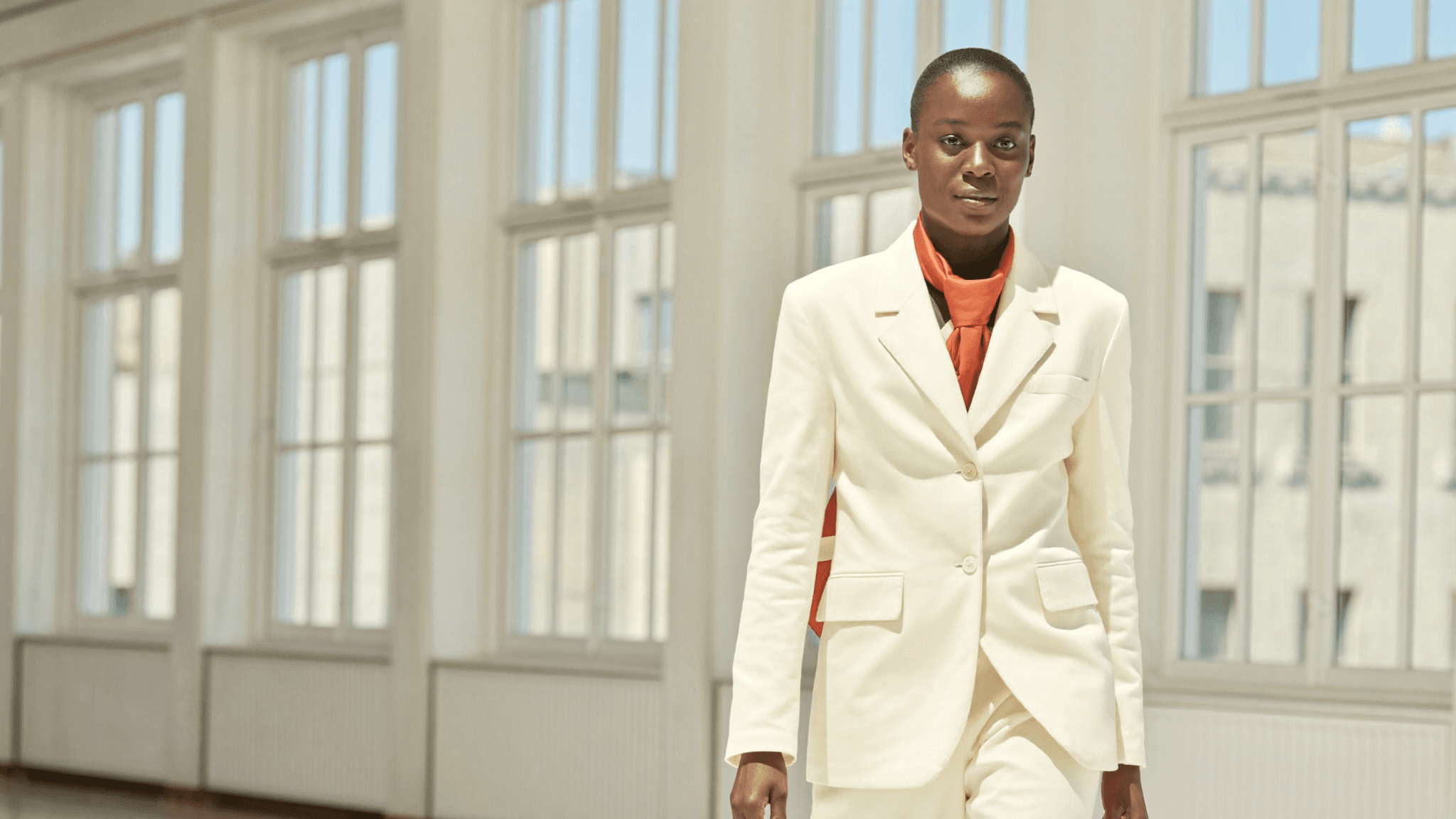
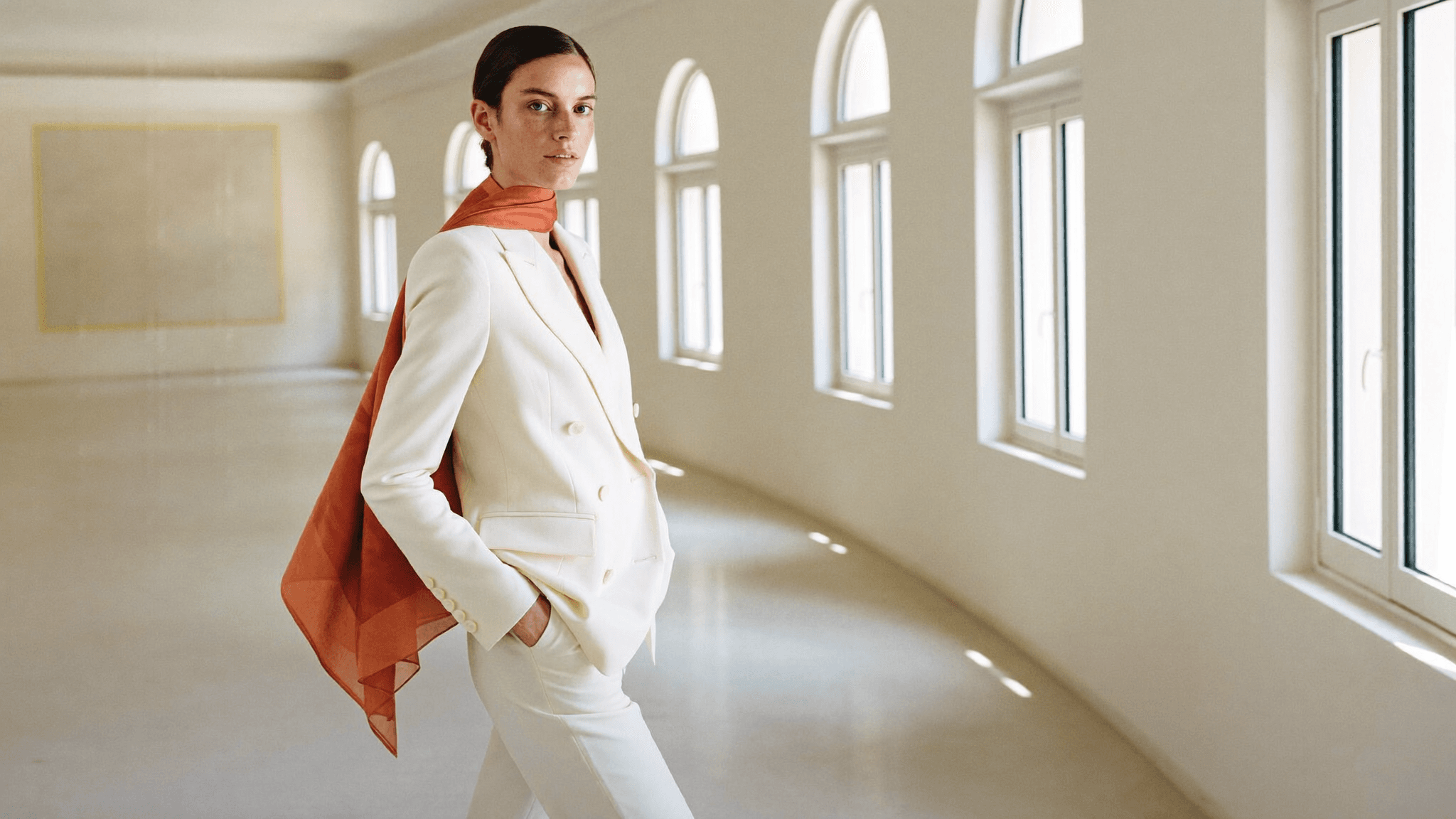
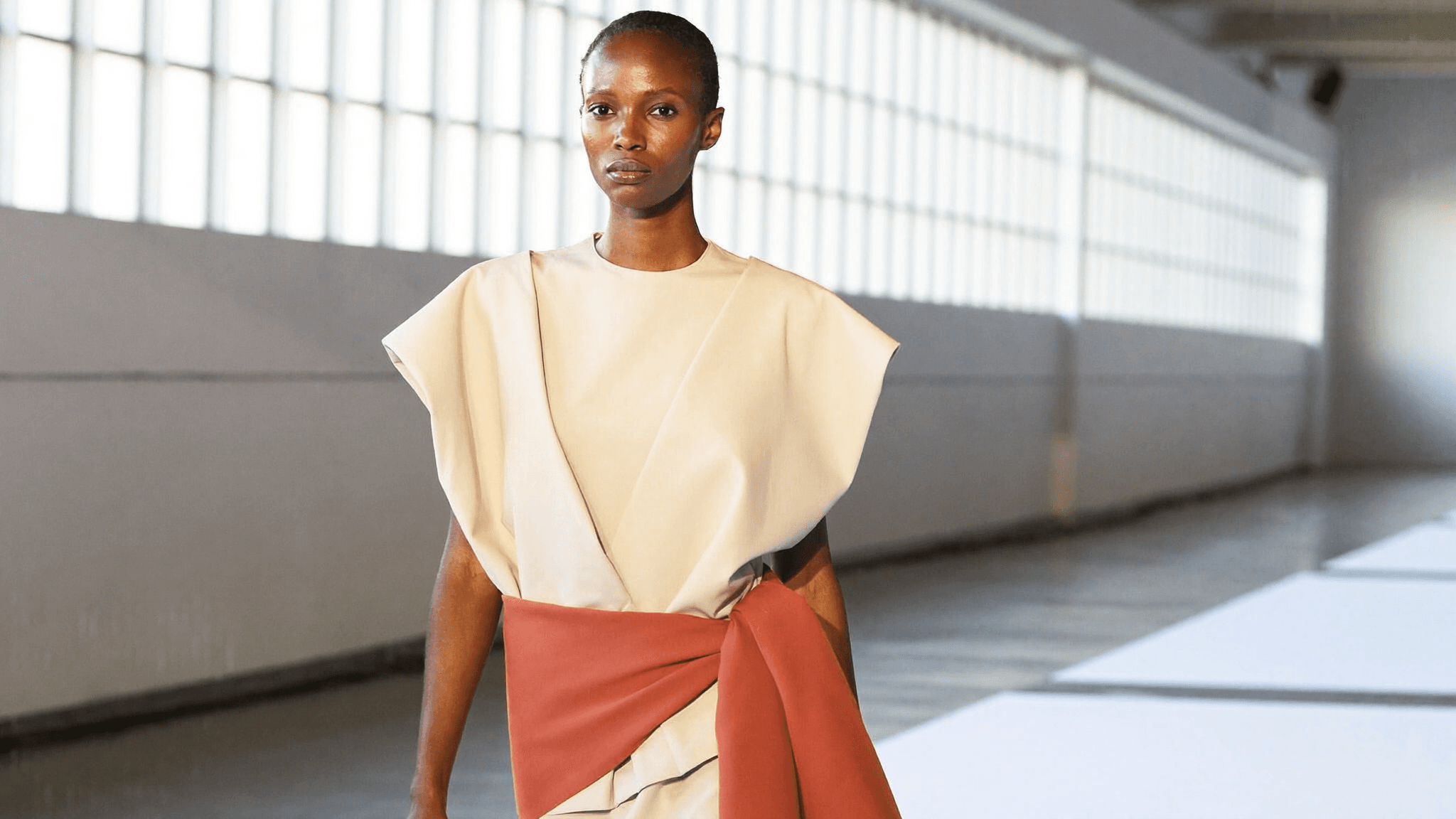
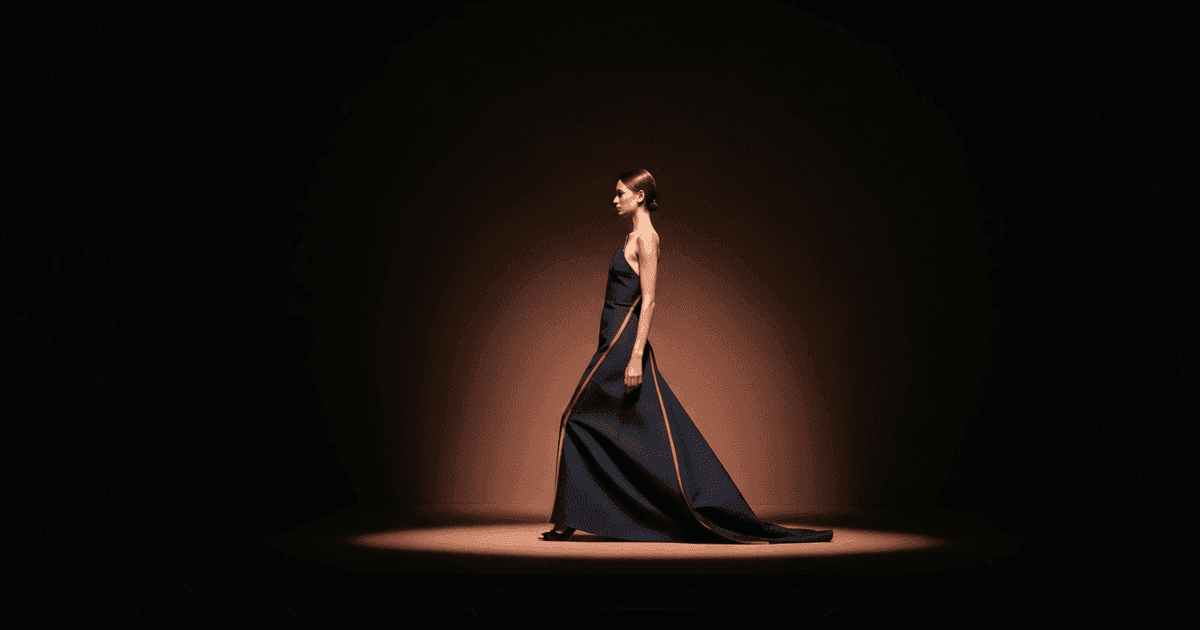
The only people the runway truly needs are models, skilled professionals trained in walk, posture, and expression, whose job is to present the garment without overshadowing it.
The craft that gets overlooked
It is easy to forget how demanding professional modelling is, precisely because the best models make it look effortless. A clean runway walk is the product of years of training: the carriage of the shoulders, the timing of a turn, the discipline to disappear into a designer's vision rather than impose a personality on it. In India, thousands audition; only a handful reach the runway, and many are turned away over criteria as unforgiving as height alone.
That craft is performance-oriented but deliberately subtle. A model's presence is meant to elevate the clothing and the choreography of a show, not compete with it. When a designer hands the final, climactic look to someone untrained, the risk is not just an awkward walk, it is that the discipline of the entire production gets quietly devalued. The showstopper slot is the emotional peak of a show; choosing who fills it is a creative decision, not only a publicity one.
India's models are winning abroad
Here is the irony at the centre of the debate: even as homegrown runways lean on famous faces, Indian models are breaking through on the world's most demanding stages. Global luxury's appetite for genuine diversity, and its hunger for the Indian luxury consumer, has opened doors in New York, Paris, and Milan that were firmly shut a decade ago.
Consider Bhavitha Mandava. The Hyderabad-born NYU student was not a celebrity and arrived with no Bollywood surname. She was scouted on a New York City subway in 2024 and went on to open a Chanel show in 2026, a career trajectory built entirely on presence and craft. She joins a lineage of Indian models such as Pooja Mor and Radhika Nair who earned international recognition the hard way, through runway work rather than fame inherited from another industry.
The lesson is not lost on anyone paying attention. On the global circuit, the trained model is still the unit of currency. Houses want walkers who can carry a collection, hit their marks, and let the clothing speak. That is the same standard India's own runways were built on, and the same standard a generation of new faces here is training toward right now.
A both/and future, not either/or
None of this means the celebrity showstopper should vanish. Star power is real, it sells, and several actors have genuinely earned praise for the rigour they bring to a walk. The healthier path is balance: reserving the finale for a face that actually serves the collection, while restoring the body of the show to the professionals trained to carry it. Visibility and skill are not enemies; the strongest shows make room for both.
The most encouraging sign in 2026 is that the conversation is happening at all. When audiences start noticing the difference between a practiced walk and a borrowed one, designers feel it, and casting decisions begin to shift. The Lakmé Fashion Week x FDCI calendar, the couture weeks, the growing roster of commercial and campaign work across the country: all of it still runs on professionals who can deliver, take after take, look after look.
For India's modelling industry, that is the opening. As the market matures and global brands keep casting Indian and international talent for campaigns shot on home soil, the demand for trained, reliable, runway-ready models is only growing. The next great Indian face may not be a star at all, just someone who put in the years. You can meet some of that talent here, and follow where the industry heads next in The Journal. The spotlight, in the end, belongs to whoever has earned the walk.