Love, Bombay: A Festive Campaign Casts Its Own City
Global Desi, the Anita Dongre label known for fusion wear, has released its Festive '26 campaign, and the brief is easy to say out loud. Take a woman who was born and raised in Bombay, hand her the city, and let the clothes move through it. The campaign is called Love, Bombay Festive '26. Its face is the actor Vedika Pinto, and it was announced on 13 and 14 October as the festive season builds.
It is a small story on the news calendar, squeezed between Delhi's fashion week and the usual wave of festive launches. For anyone who models or wants to, it is also a useful read, because it shows how a mainstream Indian brand is choosing to cast and direct this season.
One city, one point of view
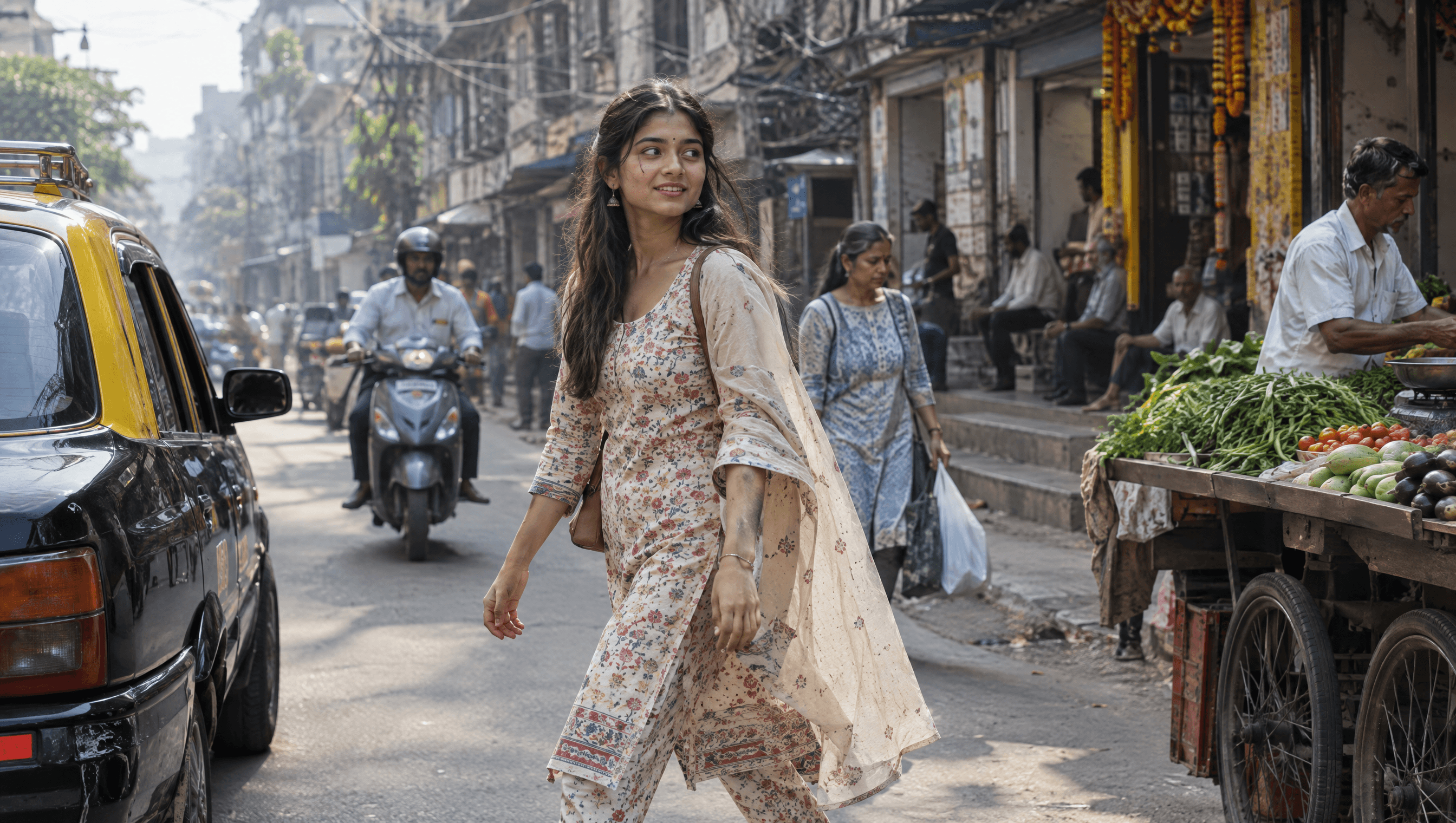
According to the brand's announcement, the campaign shows Mumbai through Pinto's eyes. The city is described as colourful, chaotic, cosmopolitan and unfiltered. The film moves through lively neighbourhoods, familiar landmarks and lesser-known corners, built around everyday moments rather than a single set.
The collection itself is festive occasionwear: statement silhouettes, colourful prints and Indian-inspired details. Dongre has said the aim was to look at occasion dressing in a way that feels relevant to how women dress today, and that Pinto brought curiosity, spontaneity and freshness to the work.
Pinto, for her part, has described the shoot as relaxed. The team did not need to make it feel too perfect or staged, she said, and they moved around the city and played with the clothes.
A face that already knows the street does not have to act out belonging. The camera simply catches it.
What the casting choice signals
Brands have long hired a recognisable name and placed her in front of a backdrop. Here the backdrop and the person are the same idea. Choosing someone from Bombay to walk through Bombay turns familiarity into the creative asset. It gives the images a reason to exist beyond the clothes.
That matters for the way casting briefs are written. A brief that starts with a place, rather than a mood board, tends to ask for people who feel at home in that place. Language, gesture, the way someone crosses a road or steps off a kerb in a heavy festive outfit: none of this shows on a comp card, but all of it shows on camera.
Unstaged is still a skill
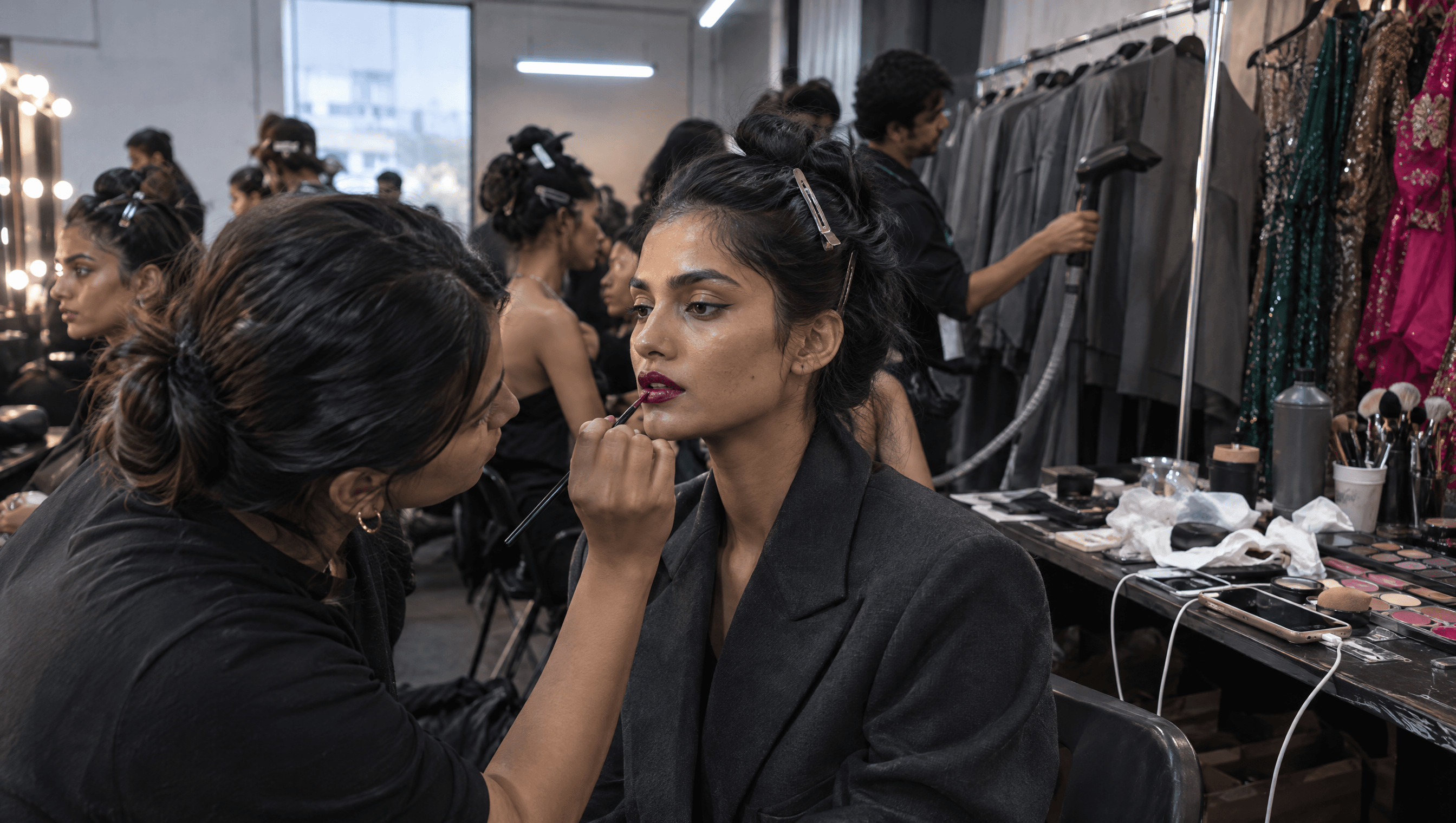
The word that stands out in the coverage is not glamour. It is unstaged. A shoot that moves through real streets is harder to control than a studio. Light changes, crowds drift into frame, and the model is wearing embellished fabric while walking, turning and reacting.
Looking relaxed in those conditions is a technical ability, not luck. Models who do well on location work usually share a few habits. They keep their posture without freezing, they repeat a movement the same way across takes, and they stay easy with a crew that is working fast. A portfolio that includes moving image, not only stills, makes that ability visible before the first call.
Festive is the volume season
Occasionwear is one of the largest categories in Indian fashion retail, and the weeks before the main festivals are when brands, marketplaces and designers all shoot at once. Briefs in this window tend to ask for range: one model, many looks, sometimes across fashion and commercial work in the same week.
The ambassador here is an actor, which is worth noting. Campaigns of this kind quietly reward people who can carry a scene as well as a silhouette. Models who can speak to camera, move naturally and take direction in more than one language have more doors open in a season like this.
What to do with it
If you are building a book for festive work, add a few frames that show you in motion and in real settings, not only in a studio. Be ready to talk about the city you know best, because a brief like this one begins there. And keep your measurements, looks and availability current, since festive shoots are booked quickly.
You can see how working models present themselves on our models page, and follow more of this season's casting stories in the journal.
The next few weeks will show whether other brands follow with campaigns built around place and personality. If they do, the models best prepared will be the ones who already know how to make a street look like home.