The Other Runway: India's $39 Billion Beauty Boom Is Rewriting the Model's Job Description
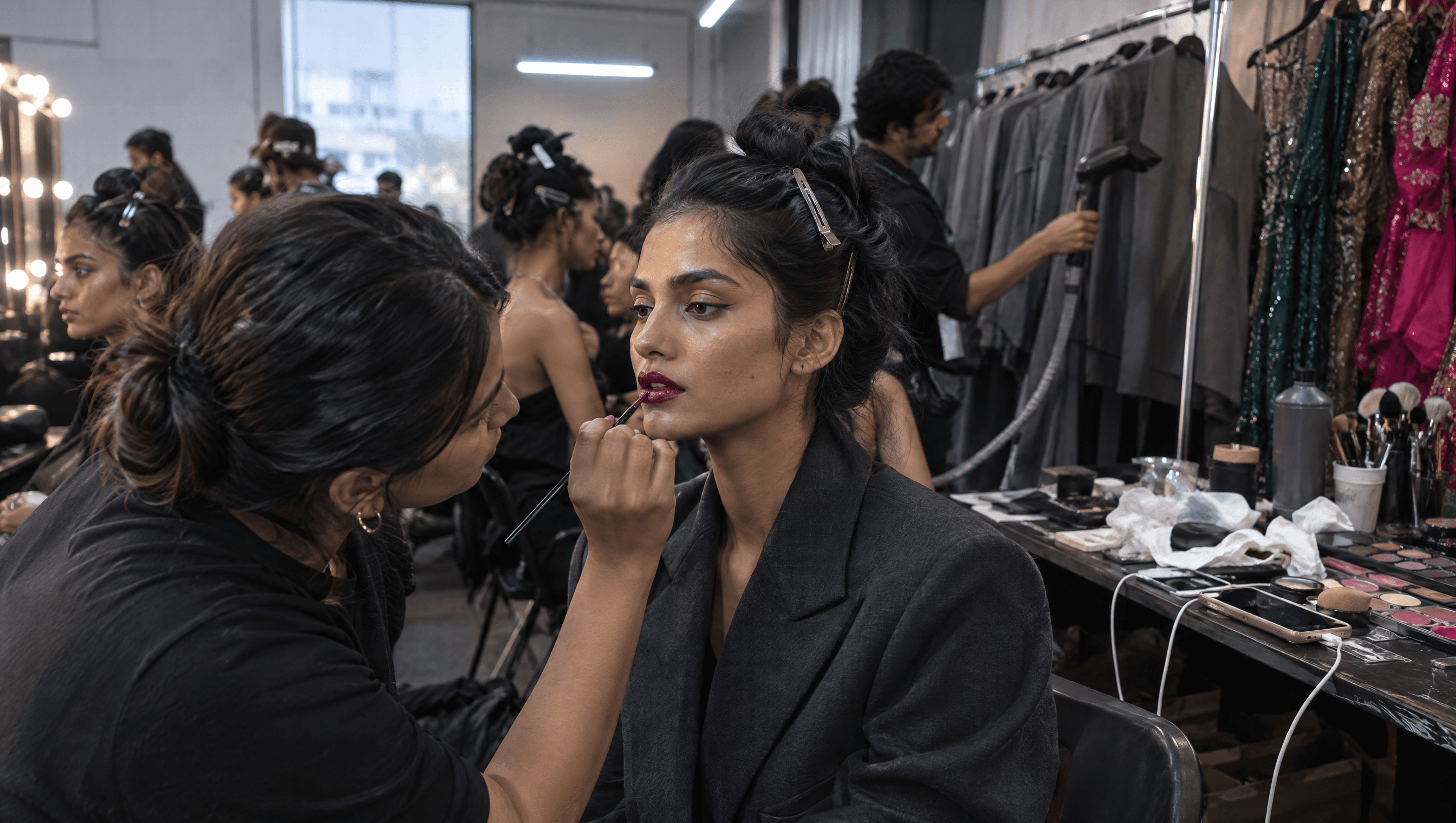
For a generation, the image of "making it" as a model in India was a single frame: a designer's finale at fashion week, the walk down a Mumbai or Delhi runway under a wall of flashbulbs. That picture is still aspirational. But the numbers coming out of this month tell a quieter, bigger story, one that is reshaping where models actually earn, build longevity, and become household faces. The stage that matters most now may not be the runway at all. It is the campaign.
This week, a new Flipkart GlamUp Annual Beauty Trends Report 2026 projected that India's beauty and personal care market, valued at roughly $27 billion today, will reach $39 billion by 2030. The report frames a cultural shift as much as a commercial one: what was once an aspirational, occasional purchase has become a daily act of self-expression. As Flipkart's Priyanka Bhargav put it:
"India's beauty market is at an inflexion point. What was once an aspirational category has become a daily expression of self-care, confidence, and identity."
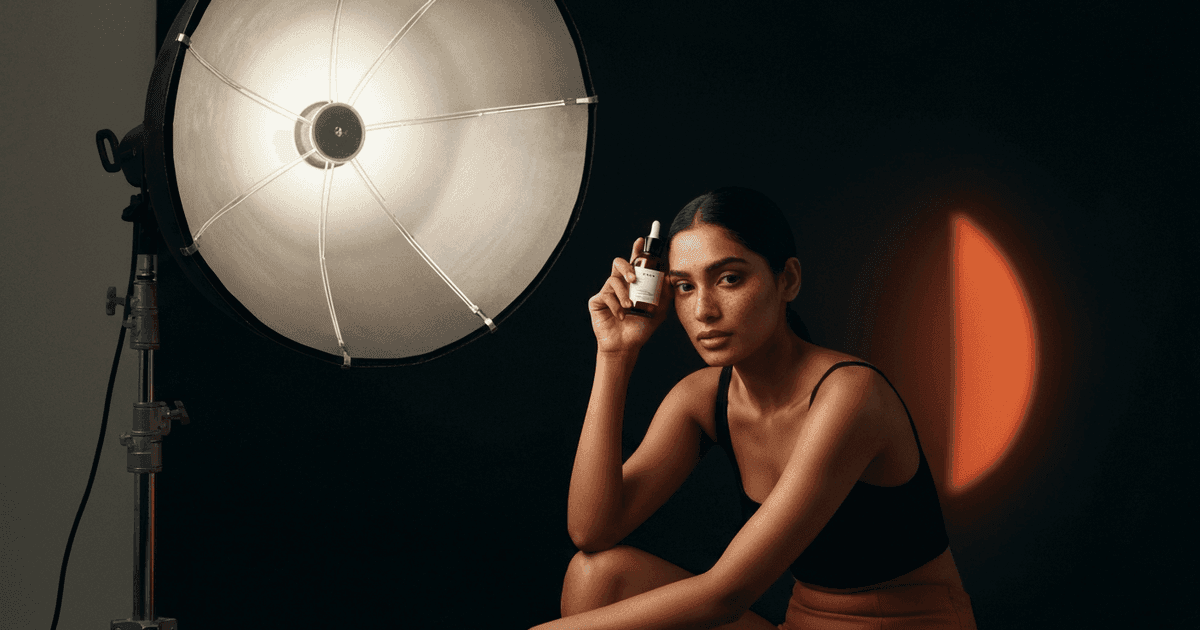
Behind every one of those products is a face. A beauty boom of this scale is, in practical terms, a hiring boom for the people who give brands their visual identity, the models and faces who anchor a serum launch, a fragrance film, a haircare TVC, an e-commerce shoot that will be seen by millions of scrolling customers. The runway crowns a season. A campaign feeds a career.
From metro catwalks to PIN-code beauty
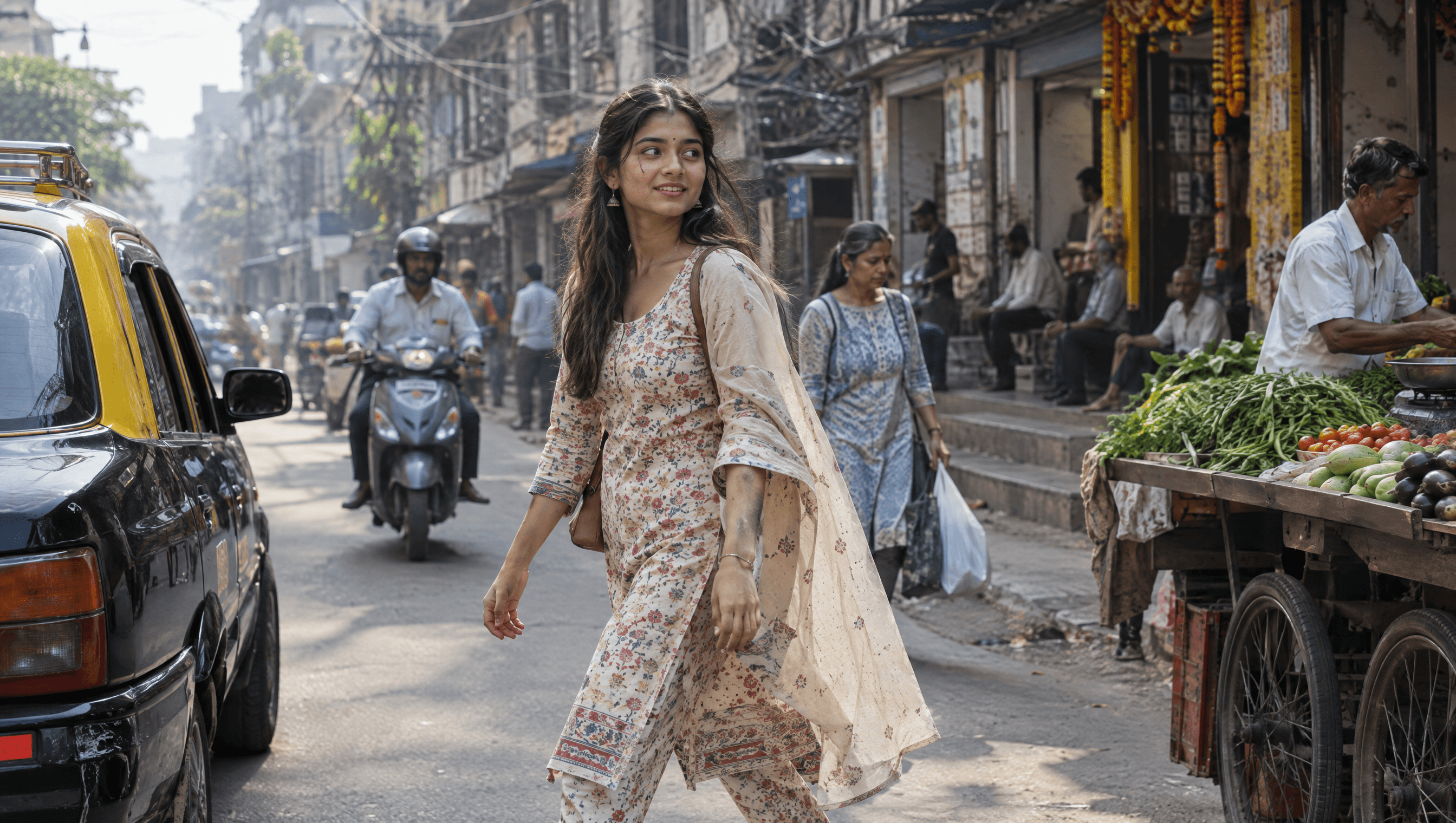
What makes this moment distinctly Indian is where the demand is coming from. According to the Flipkart report, two out of every three beauty searches now originate from non-metro markets, and nearly a third of beauty sales come from Tier-2 towns and smaller cities. Gen Z shoppers already make up more than half of beauty buyers. The report even names a trend it calls "PIN-code beauty," where what sells is shaped by hyperlocal realities, hard-water scalp care in Bengaluru, barrier repair and hydration in Rajasthan.
For models, this geographic widening matters enormously. A market concentrated in a handful of metros rewards a narrow, familiar look. A market reaching into hundreds of towns needs range, more faces, more skin tones, more ages, more relatability. The casting brief is broadening because the customer is.
The premium wave and the international face
The premium end is moving just as fast. Days before the Flipkart report, Amazon India announced Beautyverse 2026, calling it the country's largest beauty experience, over 2,000 attendees, roughly 70 brands, and more than 600 creators, with the event opening up to shoppers online for the first time. Amazon noted that premium beauty is growing about 1.5 times year over year on its platform, as global names like Dolce & Gabbana, Laura Mercier, La Roche-Posay, Urban Decay and Paula's Choice deepen their push into India.
International brands arriving in force has a direct knock-on effect for talent. Global houses bring global campaign standards, and a casting appetite that often blends Indian and international faces to speak to both an aspirational, world-facing image and a local, trusted one. It is precisely the kind of brief that has long been a strength for agencies representing international models working in India, where a single shoot can need a roster that feels at once global and grounded.
The creator economy blurs the frame
The other force reshaping the job is the creator. Amazon said its influencer program now reaches more than 1.5 lakh creators, and "content and commerce" has become an entire track of conversation in the industry. The line between model, brand face, and content creator is thinning. The most employable talent of this decade is fluent in both languages, able to deliver a polished campaign image and a native, scroll-stopping piece of social content in the same booking.
This is not the death of the runway. Couture week still anchors the calendar, editorial still confers prestige, and the catwalk still launches new faces. But the economics underneath the industry are tilting toward the campaign, repeatable, scalable, and increasingly the place where a model's name is actually built. For more on how that ecosystem is shifting, our Insider journal has been tracking it season by season.
What it means for the next face
If you are an aspiring model reading this, the takeaway is hopeful: the market is not shrinking its definition of who belongs on it, it is expanding it. A $39 billion beauty economy reaching into every PIN code needs more faces, not fewer, and it needs them to do more than walk. It needs them to embody a brand across a launch film, a billboard, a marketplace listing, and a creator collaboration, often all at once.
The runway will always have its magic. But the next chapter of Indian modeling is being written in campaign studios and on storefronts, and for the talent ready to meet it, India has rarely offered a wider stage.