The Mother-Tongue Market: India's Vernacular Advertising Boom Is Redrawing the Casting Map
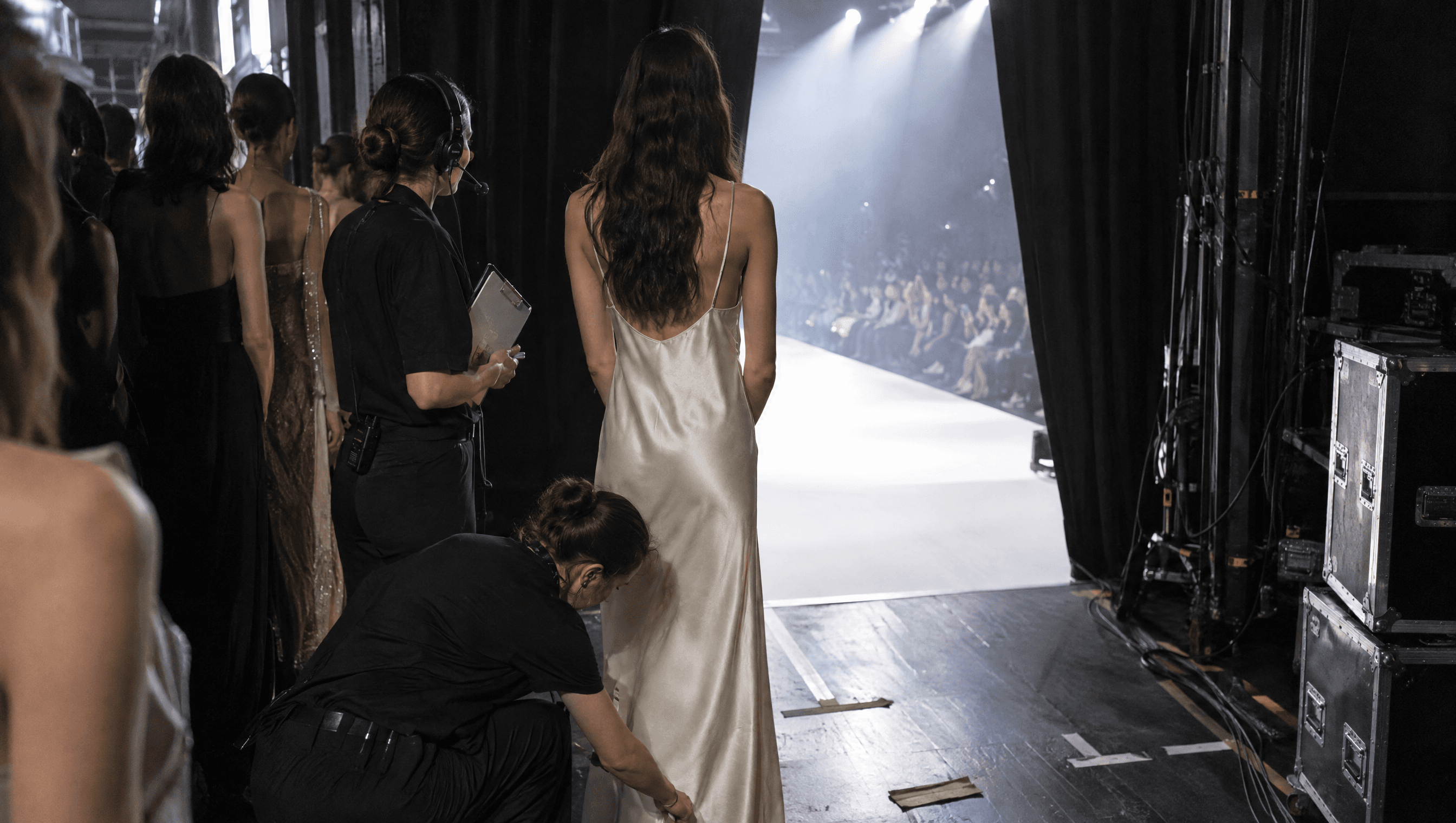
The runway gets the headlines. Couture in Paris, a house ambassadorship in New York, a finale gown in Delhi, these are the images that travel, and they should. But if you want to understand where most of India's model bookings are actually being written this year, you have to look away from the show floor and toward the screen in someone's hand in Coimbatore, Vijayawada or Nagpur. The country's advertising engine is moving into the languages people speak at home, and it is quietly redrawing the casting map.
The numbers behind the shift are hard to argue with. India's total advertising expenditure is on course to reach roughly ₹1,476 billion, about US$15.9 billion, in 2026, and the digital slice of that market is expected to touch US$14.6 billion as brands diversify where their money goes. What is changing is not just the size of the spend but its accent. More than 73% of India's internet subscribers now consume content in regional languages, a user base estimated at around 540 million people. That audience is not a niche. It is the mainstream, and advertisers have noticed.
Why brands are casting in the vernacular
The pull is commercial, not sentimental. Research across the Indian market has repeatedly found that a large majority of consumers, by some measures close to 88%, trust content more when it arrives in their own language, and that trust converts. Vernacular advertising has been linked to measurably higher purchase intent, and regional-language creative consistently earns 1.5 to 2 times the engagement of the equivalent Hindi or English spot, especially in video. For a brand deciding where the next campaign budget lands, that is a straightforward equation.
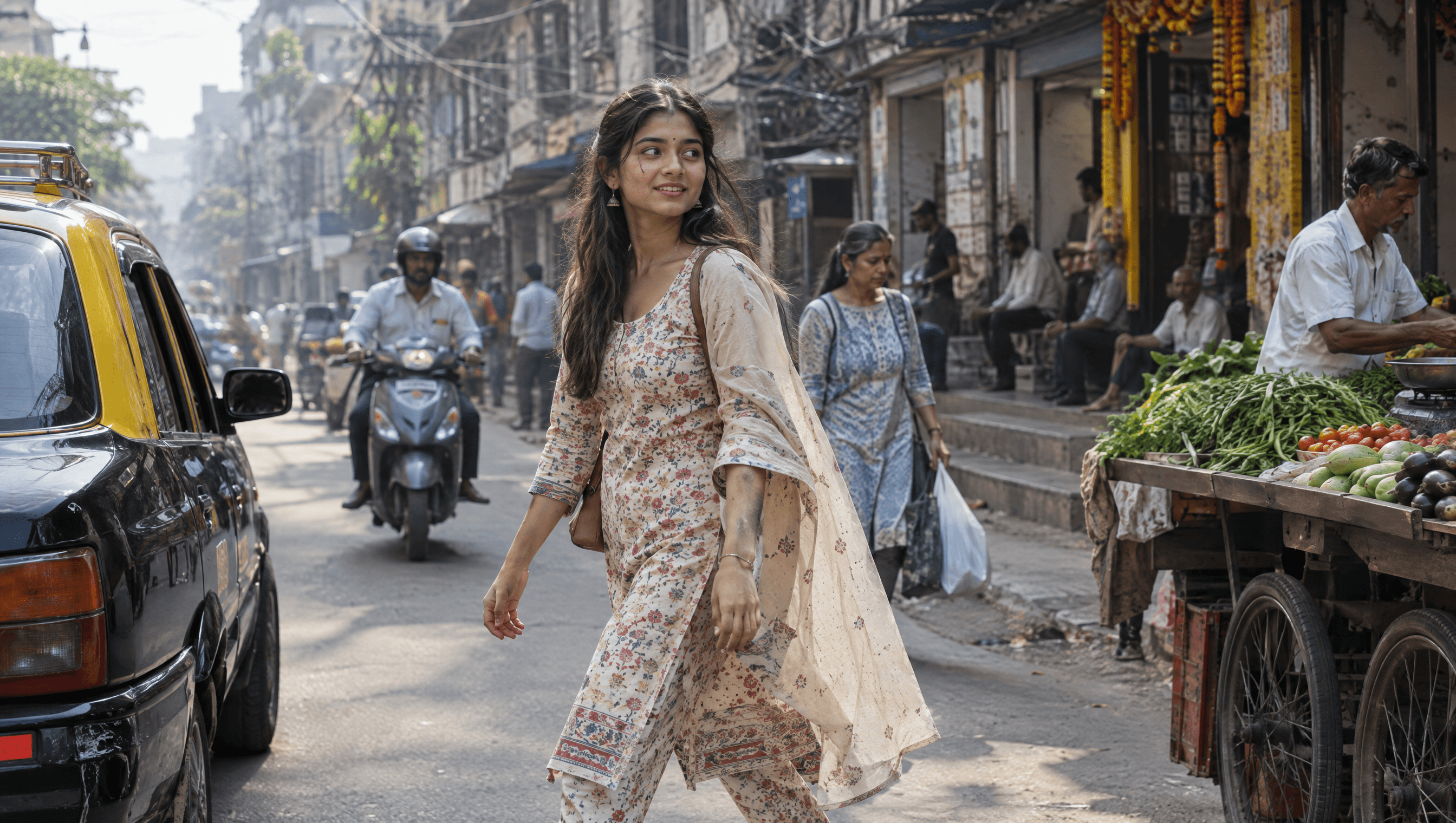
It also changes what a brand is casting for. A national television commercial once looked for a single, polished, pan-Indian face. A vernacular-first strategy looks for something else: a face that feels like a neighbour, a teacher, a shop owner, someone an audience in a specific state recognises as one of their own. That does not lower the bar. It moves it. The work rewards presence, warmth and authenticity over a generic idea of "the model look," and it rewards talent who can carry a product with credibility in a regional context.
The metro runway still crowns the careers people talk about. The vernacular market is quietly building the careers that pay the rent, and increasingly, both belong to the same models.
The casting map moves south and into Tier-2
Follow the money and the geography follows too. Hyderabad has grown into a genuine production powerhouse, its studio infrastructure and OTT pipeline feeding a steady stream of Telugu cinema, streaming projects and commercial ad films. Chennai remains a structured, long-established hub for Tamil film, serials and brand commercials. Bangalore has become the country's default address for digital-first work, startup shoots, lifestyle advertising, corporate films and influencer-led content, favouring a modern, contemporary look. Around these anchors, a widening circle of Tier-2 cities is generating its own demand as regional brands invest in campaigns aimed at audiences that national players long overlooked.
For a model building a career, this is a meaningful expansion of the board. The path is no longer a single ladder that starts and ends on a fashion-week runway in Mumbai or Delhi. E-commerce needs a constant supply of product images and promotional video. Regional advertisers need faces that read as local and trustworthy. Streaming platforms need people who can hold a frame. The bookings are more numerous, more distributed, and more repeatable than a seasonal show calendar ever allowed.
What it means for the next generation of talent
None of this diminishes the runway; it contextualises it. A campaign in Chennai and a couture show in Paris are not rivals for a model's attention, increasingly they are two ends of one career, and the most durable modelling careers in India will likely be built by talent comfortable moving between them. Versatility becomes the real asset: the ability to walk a designer's finale, front a national e-commerce shoot, and anchor a regional-language commercial with equal conviction.
For an agency, the job is to read both maps at once, to place talent where the culture is looking and where the budgets are moving, not only where the cameras of fashion week are pointed. India's advertising story in 2026 is being told in more languages than ever, across more cities than ever, and that is good news for anyone with the range to speak them. You can meet some of the faces we believe are built for exactly that range across our roster, and follow how the market keeps shifting on The Insider.
The country is learning to sell to itself in its own words. The models who understand that, who can be aspirational on a runway and believable in a living room, are the ones the next decade will belong to.